
Recognition
Employee recognition ideas: 20 that people actually value
Most people at work don't feel recognised, and it's rarely because their organisation lacks a recognition scheme. It's because the everyday moments that matter most, the specific thank you, the credit given in front of others, keep getting missed.
The short answer: the best employee recognition ideas are specific, frequent and personal: naming exactly what someone did and why it mattered, soon after they did it, in the way that person prefers. Most of them cost nothing. In a large organisation, the formal awards scheme helps, but what people remember is recognition from their own manager and colleagues, week in, week out.
Why recognition matters more than most leaders think
Recognition is one of the cheapest things a manager can give, and one of the most often missed. In Gallup and Workhuman research, just 22% of employees said they get the right amount of recognition for the work they do.1
There's a deeper reason too. A team's belief that it can succeed is a feeling, and feelings need topping up. When I was running a business, I used to think celebrating small things was a bit pointless. I'd finish one thing and race straight on to the next. A mentor reminded me that the small wins are what build the belief that the bigger ones are possible. Recognition is how a team notices its own progress.
What makes recognition feel genuine
Gallup and Workhuman's research describes five pillars of what they call strategic recognition.2 They're a useful check on any recognition idea:
- Fulfilling. Often enough to matter. A once-a-year award doesn't meet the need.
- Authentic. Specific and sincere. "Great job, everyone" is noise; "the way you rebuilt that client report overnight saved the renewal" lands.
- Personalised. In the way that person values. Some love a public mention; others would rather a quiet word.
- Equitable. Fair across the team, so it isn't always the loudest or most visible people who get noticed.
- Embedded in the culture. Part of how the team works, not a campaign that fades after a month.
20 employee recognition ideas
Almost all of these are free. Pick two or three that suit your team, rather than trying everything at once.
Everyday recognition from you
- The specific thank you. Name what they did, and the difference it made. "Thanks for staying calm on that call with the angry client; it kept the account" beats any voucher.
- Recognise effort, not just results. Notice the person who quietly fixed the process, not only the person who closed the deal.
- Pass on praise from above. When a senior leader or a client says something good, forward it with a line of your own.
- Tell their boss. Copy your own manager into a note about what someone did well. It travels further than you think.
- A handwritten note. Rare enough now to be memorable, and most people keep them.
- Start one-to-ones with what's going well. Before the problems, spend two minutes on something they did that you noticed.
- Ask how they like to be recognised. Add it to your one-to-one questions. The answers often surprise.
Team rituals that build a habit
- A weekly values shout-out. In one business I ran, we gave a bar of chocolate each week to two people who'd lived one of our values. I ran it at first, then handed it to the team, so everyone was looking out for good behaviour in each other.
- A pride bell. We had a bell for closing a sale. It turned out only the sales team ever rang it, which quietly created a divide. We renamed it the Pride Bell, and anyone who'd done something they were proud of could ring it. Make sure your ritual includes everyone.
- Wins of the week. Open the weekly meeting with each person naming one thing that went well, for them or for someone else.
- Peer nominations. Let colleagues nominate each other, with a sentence on why. Peers often see what managers miss.
- A shared kudos channel. A Teams or Slack channel just for thank yous, for remote and hybrid teams especially.
- Celebrate milestones on the way. Don't wait for the project to finish. Mark the halfway point, the first customer, the problem finally solved.
- A visual record. A wall or shared page of photos and moments the team is proud of, tied to what you're aiming for together.
Recognition in a large organisation
- Use the formal scheme properly. If your organisation has a recognition platform or awards, nominate people, and write a proper citation, not one line.
- Tie it to the company values. Recognise behaviour that brings your organisation's values to life, so the values stop being words on a wall. One company I know, working across five countries, runs monthly "value Oscars" across all its teams.
- Recognise across teams. Thank people in other departments who helped your team. It builds the relationships that make big organisations work.
- Give visibility. Let the person who did the work present it to senior leaders, rather than presenting it for them.
- Growth as recognition. A stretch project, a seat at a meeting or a chance to lead something can say "I rate you" more clearly than a gift.
- Time back. After a hard push, an early finish or a lighter week is often valued more than anything else.
Mistakes to avoid
- Only recognising the visible roles. Sales, customer-facing and loud people get noticed; back-office and quiet people often don't.
- Generic praise. "Well done, team" every Friday soon means nothing.
- Saving it all for the annual review. By then the moment has passed.
- Making it about you. Recognition that turns into a speech about your leadership isn't recognition.
- Forcing public praise on private people. Ask first.
Try this week: write down the names of everyone on your team. Next to each, note the last time you thanked them for something specific. Start with whoever has the oldest date, or no date at all.
Questions people ask
What are some free employee recognition ideas?
A specific thank you, a handwritten note, passing on praise from a client or senior leader, telling someone's manager what they did well, peer nominations, a weekly wins round in team meetings and giving someone visibility with senior leaders. Most of the best recognition costs nothing.
How often should you recognise employees?
Gallup and Workhuman's research suggests most people want recognition at least a few times a month, and many would like it more often. A once-a-year award doesn't meet the need on its own.
What makes employee recognition effective?
It's specific about what the person did and why it mattered, it comes soon after, it's in the way the person prefers, it's fair across the team and it's part of how the team works every week.
Should recognition be public or private?
It depends on the person. Some people value public praise; others find it uncomfortable and prefer a quiet word or a note. Ask each person how they like to be recognised.
Related guides
Sources
The stories and practical ideas on this page come from the book. The figures in the blue boxes come from the published research below.
- Yi, R. (2024). Employee Retention Depends on Getting Recognition Right. Gallup, with Workhuman.
- Workhuman (2026). What Is Strategic Recognition and Its Benefits?. Summarises the five pillars of strategic recognition from Gallup and Workhuman research.
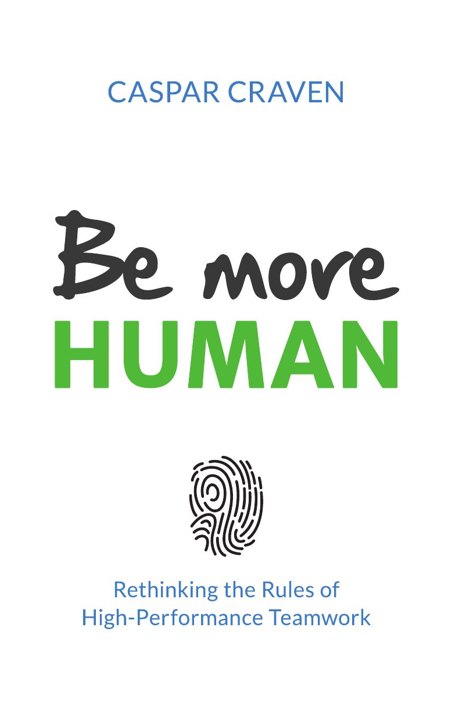
From the book Be More Human
The ideas and stories on this page come from Be More Human: Rethinking the Rules of High-Performance Teamwork by Caspar Craven: what he learnt, often the hard way, about building teams in business, at home and at sea. It's written for anyone asking why their team isn't getting the results it could, or what's wrong with the culture.